From Dull to Fab: Epoxy Flooring Options in Nebraska
Are you tired of staring at uninspiring and tattered floors in your space or workplace? Now is the time for a transformation that can take your spaces from drab to fab with epoxy floor systems in Omaha. This type of flooring is not just attractive but also extremely tough and adaptable, making it a favored choice for various applications, ranging from home garages to active commercial kitchens.
The increase of epoxy floor coatings has introduced a new level of style and functionality to floors across the area. With choices like metallic epoxy flooring in garages and self-leveling epoxies, property owners and commercial property owners alike can benefit from the advantages of an low-maintenance surface that is both non-slip and chemical-proof. Whether you're considering a spring garage renovation or looking for a sturdy floor solution for a warehouse or auto shop, epoxy flooring can fulfill your needs while delivering a remarkable aesthetic upgrade.
Advantages of Resin Flooring
Epoxy flooring offers unparalleled durability, making it an excellent choice for both spaces. Its robust nature means it can withstand intense foot traffic, machinery, and multiple impacts, guaranteeing that the surface remains intact for a long time. When properly applied, resin floor coatings can readily last beyond a decade, presenting a cost-effective solution compared to other flooring options.
One more significant benefit of resin flooring is its ability to resist to chemicals and stains. This quality makes it notably suitable for automotive floor epoxy and industrial floor coating purposes, where exposure to oil, grease, and other chemicals is common. The simple-to-maintain surface allows for quick maintenance, keeping spaces looking pristine without the burden of frequent upkeep.
Moreover, epoxy flooring can enhance the safety of your space. Many epoxy installations provide non-slip floor options, making them ideal for areas like restaurant kitchens and auto shop floors where accidents can readily occur. Its waterproof properties also eliminate concerns about mold and mildew, creating a safer living and working environment.
Types of Resin Flooring Options
Resin surfaces offers a variety of options tailored to meet different requirements and aesthetics. Residential epoxy surfaces is a widely liked choice for property owners looking to enhance their interior spaces. This type of flooring not just provides a polished finish but also provides durability and ease of care. Many homeowners opt for reflective resin garage surfaces that create a striking visual effect, transforming a drab workspace into a vibrant area. For those looking to elevate their exterior areas, deck epoxy surfaces can withstand the elements while offering a decorative touch.
In business environments, resin floor coating is crucial for heavy-use areas. Commercial epoxy surfaces is designed to meet the demands of active environments such as eateries and store spaces. With options like anti-slip surface coating, property managers can ensure safety without sacrificing aesthetics. Warehouse surface finishing is a further crucial use, allowing for easy movement of bulky equipment and products while maintaining a neat and tidy look.
For industrial uses, robust solutions like chemical resistant surfaces are essential. These surfaces can withstand tough conditions, from auto shop floor coating to industrial zones. Additionally, self-leveling epoxy surfaces offer a smooth finish that removes imperfections, making them perfect for a wide variety of uses. Whether for a auto surface renovation or an creative 3D resin surfacing style, there is an resin option available to fit every requirement.
Resin Application Procedure
The resin installation procedure begins with meticulous prepping of the current surface. For best adhesion, it is crucial to clean the area, eliminating all dirt, oil, and any other contaminants. If you are dealing with a garage floor or basement floor, any oil marks must be treated to guarantee that the resin floor coating bonds properly. Additionally, any fissures or defects in the substrate should be repaired before moving on to the following stages. This foundational work is vital for securing a long-lasting and resilient finish.
Once the substrate is prepped, the application team will generally apply a base coat, which helps improve the adhesion between the concrete and the resin. Depending on the particular type of epoxy being used, this may include a self-levelling resin that addresses imperfections and creates a level base. After the primer has cured, the primary resin coat is applied. This may include choices such as decorative epoxy for a visually striking look or a slip-resistant floor coating for safety in areas like kitchens or car shops.
After applying the resin, a drying time is necessary to ensure it fully hardens and gains its final strength. This duration can vary based on ambient conditions, but it is generally recommended to wait at least 24 hours before permitting foot traffic and several days before large items are set on the floor. Homeowners and business owners alike can anticipate enjoying their new low-maintenance garage floor, understanding that correct installation has laid the groundwork for long-term performance and aesthetic appeal.
Maintenance and Longevity
Caring for epoxy flooring is fairly easy, which makes it an intriguing choice for both residential and commercial spaces. Regular brooming and mopping with a mild cleaner can maintain the surface looking spotless. Avoid using Residential epoxy flooring, or rough scrubbing pads, as these can harm the shiny finish. For busy areas like garage floors or commercial spaces, a periodic deep clean may be necessary to remove any persistent stains or debris.
The longevity of epoxy floors is among their standout features. With adequate maintenance, an epoxy floor can last anywhere from 10 to 20 years, depending on the specific type and the conditions to which it is exposed. Garage floor epoxy and industrial floor coatings tend to have greater durability, especially when put in with protective additives that improve chemical and slip resistance. Choosing premium products from reputable suppliers can significantly impact the lifespan of your flooring.
For those considering an epoxy floor installation, it is beneficial to ask about long-term care during the initial consultation. Epoxy floor installer, offer advice on how to extend the duration of your flooring, as well as information into the comparison between epoxy and other options like polyurea coatings. By knowing the maintenance needs and longevity capability, property owners can make informed decisions and enjoy gorgeous, practical floors for years to come.
Pricing and Promotions
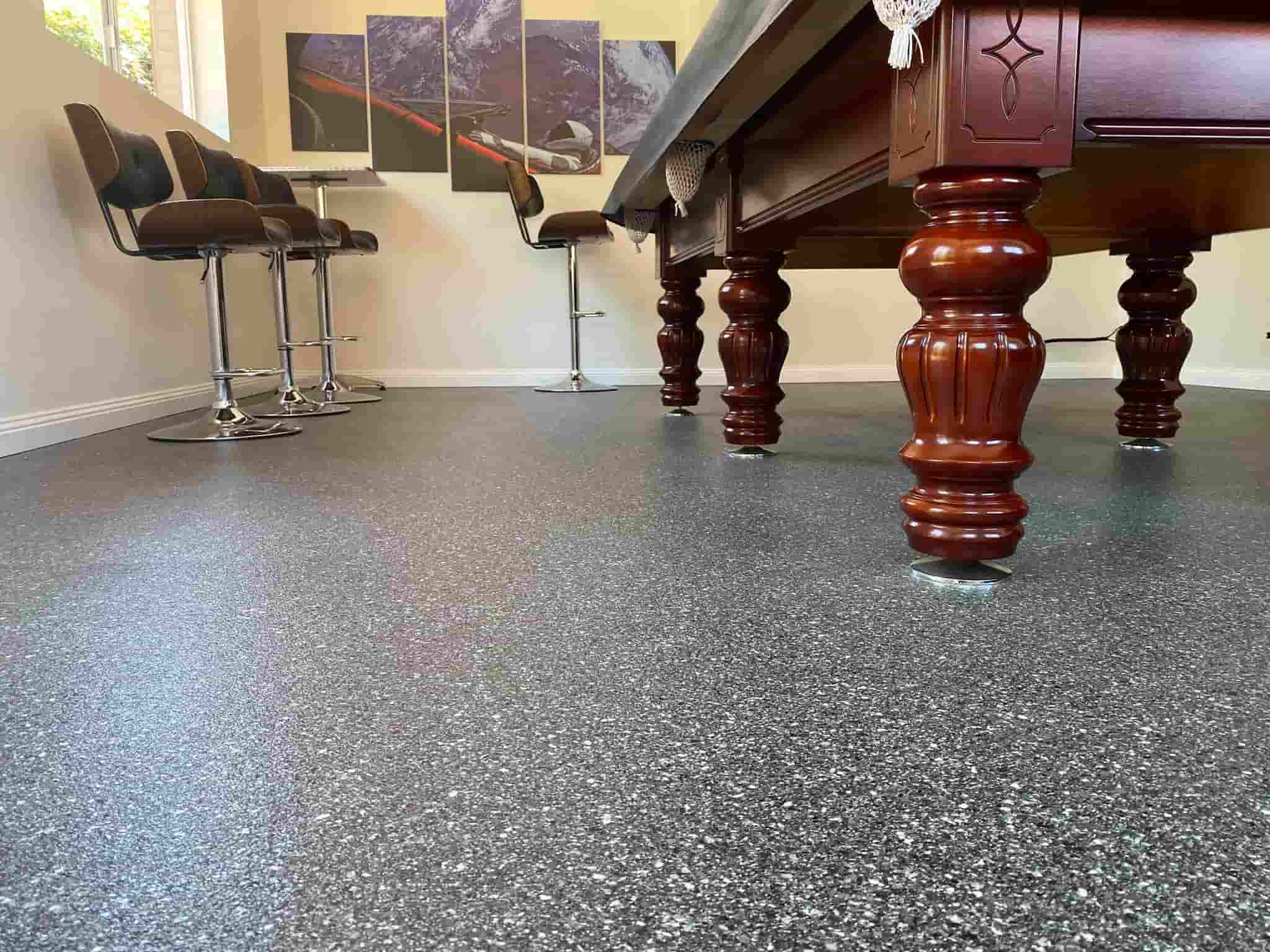
When considering an epoxy flooring installation in Omaha, knowing the cost is crucial. Rates can vary based on multiple factors, such as the type of epoxy used, the square footage of the area, and the complexity of the installation. Standard epoxy floor coating choices are often less expensive, while specialized options like 3D epoxy flooring or metallic finishes typically come with a more substantial price tag. It's advisable to request an epoxy floor installation quote from nearby professionals to get a clear picture of the budget required for your task.
Numerous companies in Omaha also provide special deals and discounts on epoxy flooring installations. This may consist of seasonal sales, package deals for various rooms, or even bundled offers for businesses like restaurant kitchen flooring or warehouse floor coating. Watch for epoxy flooring special offers, which can greatly reduce the overall cost of your garage floor makeover or residential epoxy flooring project.
To support homeowners and business owners, some providers give free epoxy floor estimates. This gives you the chance to compare prices and services from various contractors, ensuring you find the best deal for your epoxy flooring needs. Utilizing these deals can lead to significant savings and help you achieve a stunning and durable floor that meets your requirements, whether it's for a low-maintenance garage floor or a slip-resistant surface for an auto shop.